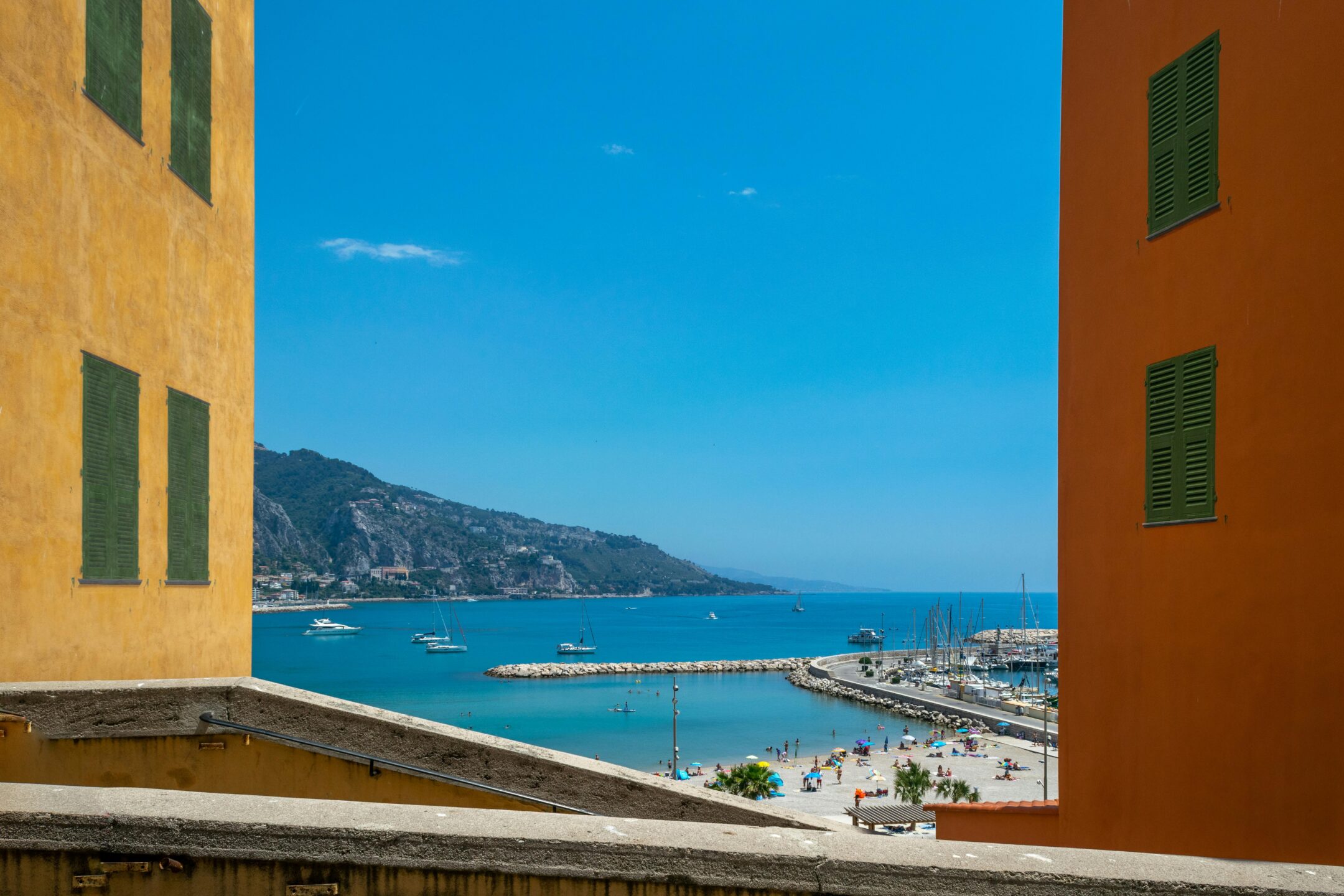
Why moving to the French Riviera?
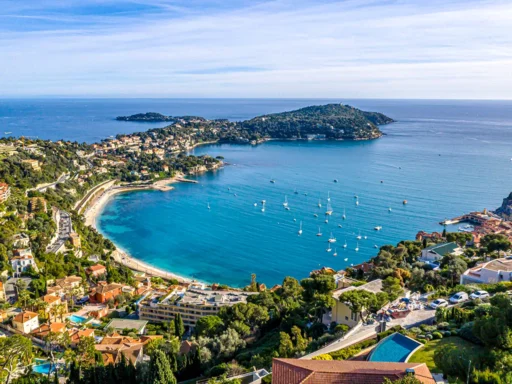
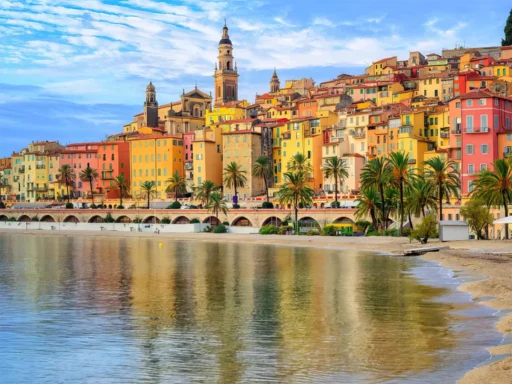
The French Riviera, also known internationally as the French Riviera, attracts new residents every year thanks to its unique balance between lifestyle, economic opportunities, climate, and international connectivity. Moving here is not only an emotional choice, it is also a strategic one for families, entrepreneurs, investors, and retirees.
With more than 300 days of sunshine per year, a strong international community, excellent transport infrastructure, and a real estate market that remains resilient, the region offers long-term stability. Many people initially arrive for a short stay and end up relocating permanently.
Understanding the territory before relocating
Geography and main residential areas
The French Riviera stretches from the Italian border to the west of Cannes. Each area has a distinct identity and lifestyle.
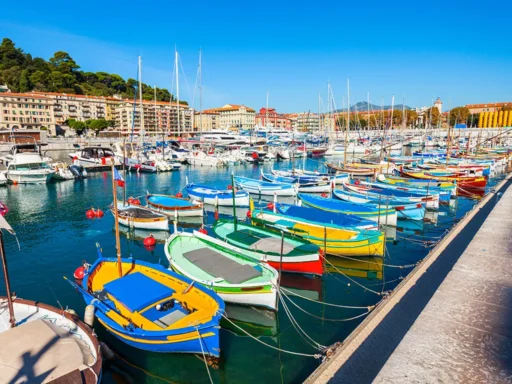
Nice is the economic and administrative heart of the region. It offers a wide range of neighborhoods, international schools, hospitals, and direct flights to most major European cities.
Antibes and Juan-les-Pins are particularly popular with families thanks to their balanced lifestyle, proximity to Sophia Antipolis, and strong rental demand.
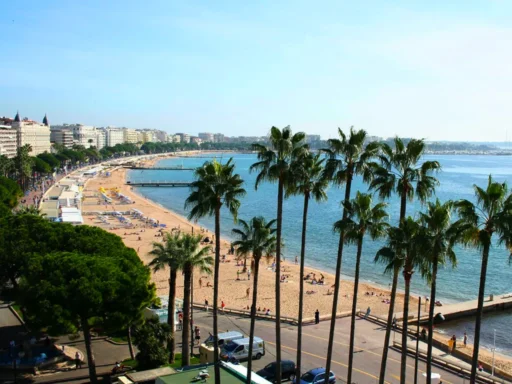
Cannes attracts investors and seasonal residents, with a real estate market driven by events and short-term rentals.
Monaco, while not part of France, strongly influences the surrounding towns such as Beausoleil, Cap-d’Ail, and Roquebrune-Cap-Martin, where many professionals choose to live.
Climate and quality of life
The Mediterranean climate plays a major role in the decision to relocate. Winters are mild, summers are warm but tempered by sea breezes, and outdoor activities are possible year-round. This has a direct impact on daily well-being and health.
Real estate market overview
Property types and price ranges
The French Riviera offers a wide variety of properties, from city apartments to sea-view villas and gated estates.
| Area | Apartment price per m² | Villa price per m² |
|---|---|---|
| Bon | 5,000 € – 7,500 € | 7,000 € – 10,000 € |
| Antibes | 6,000 € – 9,000 € | 8,000 € – 12,000 € |
| Cannes | 7,500 € – 12,000 € | 10,000 € – 18,000 € |
| Cap-d’Ail | 8,000 € – 14,000 € | 12,000 € – 20,000 € |
These figures vary depending on sea view, neighborhood, and property condition, but they provide a realistic snapshot for newcomers.
Renting vs buying
Many new residents start by renting to better understand the area before committing to a purchase. Long-term rental supply is limited, especially in high-demand cities, which makes professional support essential.
Working with a trusted local partner such as https://www.lemon-properties.fr/ allows you to secure properties that are often not publicly listed and to navigate negotiations more effectively. Many newcomers rely on https://www.lemon-properties.fr/ for both rental searches and off-market purchase opportunities, benefiting from local expertise and strong negotiation power.
Legal and administrative considerations
Residency and visas
EU citizens can settle freely in France. Non-EU residents must apply for a long-stay visa, often followed by a residence permit. The process requires proof of income, housing, and health insurance.
Taxes and social system
France offers a high-quality public healthcare system and strong social protections, but taxation must be carefully planned.
| Tax type | Average rate |
|---|---|
| Income tax | 0% – 45% |
| Social contributions | Up to 17.2% |
| Property tax | Varies by municipality |
A proper tax simulation before moving can avoid unpleasant surprises and help optimize your structure.
Concrete example of a successful relocation
A British couple with two children decided to move from London to Antibes. They were accompanied throughout their project by https://www.lemon-properties.fr/, from defining the right neighborhood to securing a long-term rental before purchasing. Their combined annual income was 120,000 €. They rented a 3-bedroom apartment for 2,200 € per month and enrolled their children in an international school costing 12,000 € per year per child.
By comparison, their cost of living in London exceeded 6,000 € per month including rent, transport, and schooling. After relocation, their annual savings reached approximately 28,000 €, while significantly improving their quality of life.
Employment and business opportunities
Salaried jobs
Sophia Antipolis remains one of Europe’s leading technology hubs, attracting companies in IT, biotech, and engineering. Multilingual profiles are particularly valued.
Entrepreneurship and remote work
The French Riviera is increasingly attractive to entrepreneurs and remote workers. High-speed internet, coworking spaces, and international connectivity make it easy to operate globally while living locally.
Education and family life
Families relocating benefit from a wide choice of public, private, and international schools. The region also offers numerous extracurricular activities related to sports, arts, and nature.
Healthcare and services
Public hospitals and private clinics provide high-quality care. Many doctors speak English, which reassures international residents during the transition period.
Lifestyle and integration
Culture and daily life
Living on the French Riviera means embracing a slower rhythm, local markets, outdoor cafés, and a strong food culture. Integration is easier for those who make an effort to learn basic French and participate in local life.
Transport and mobility
Nice International Airport connects the region to more than 100 destinations. Trains and highways allow easy travel along the coast and into Italy.
Internal navigation
If you are at an early stage of your project, we recommend reading our main guide on relocating to the French Riviera. You can also explore our detailed articles on cost of living estimation and best cities to live on the French Riviera.
Call to action
Relocating is a life-changing decision that requires expert guidance. By working with experienced local professionals such as https://www.lemon-properties.fr/, you secure not only the right property but also a smoother, safer relocation process with fewer surprises. Whether you are searching for a rental, a long-term investment, or your dream home, partnering with local professionals makes all the difference. Start your relocation journey today by securing the right property and the right advice from day one.
FAQ
Is the French Riviera suitable for year-round living?
Yes, the region is fully adapted to permanent residents with schools, hospitals, and services operating year-round.
How much income is needed to live comfortably?
A single person can live comfortably from around 2,500 € per month, while a family of four usually needs at least 5,000 € to 6,000 € per month depending on housing.
Is it easy to rent as a foreigner?
It can be challenging without local support due to strict requirements. Working with a local agency significantly improves your chances.
Do I need to speak French to live here?
It is possible to live with English, especially in coastal cities, but learning French greatly improves integration and daily comfort.
How long does the relocation process take?
From first planning to full installation, most relocations take between three and six months depending on administrative status and housing availability.